Short Article By-Richard Barbour
If you're experiencing vision problems or discomfort, it's important to recognize when to consult an eye doctor. Unexpected modifications in your vision, consistent blurriness, or even flashes of light can indicate underlying problems. You may sweep aside minor signs, however overlooking them could lead to severe issues. Wish to comprehend the key indicators that warrant a see and the steps to take in the past your consultation?
Key Signs And Symptoms Showing You Need To See an Eye doctor
When you see adjustments in your vision, it's critical to focus, as these can signify underlying problems that need an eye doctor's experience.
Sudden vision loss, whether in one or both eyes, is a severe worry that requires immediate interest. If https://www.cbsnews.com/news/lasik-eye-surgery-retired-fda-adviser-says-procedure-should-be-taken-off-market/ experience consistent blurred vision or difficulty concentrating, it's time to consult a specialist.
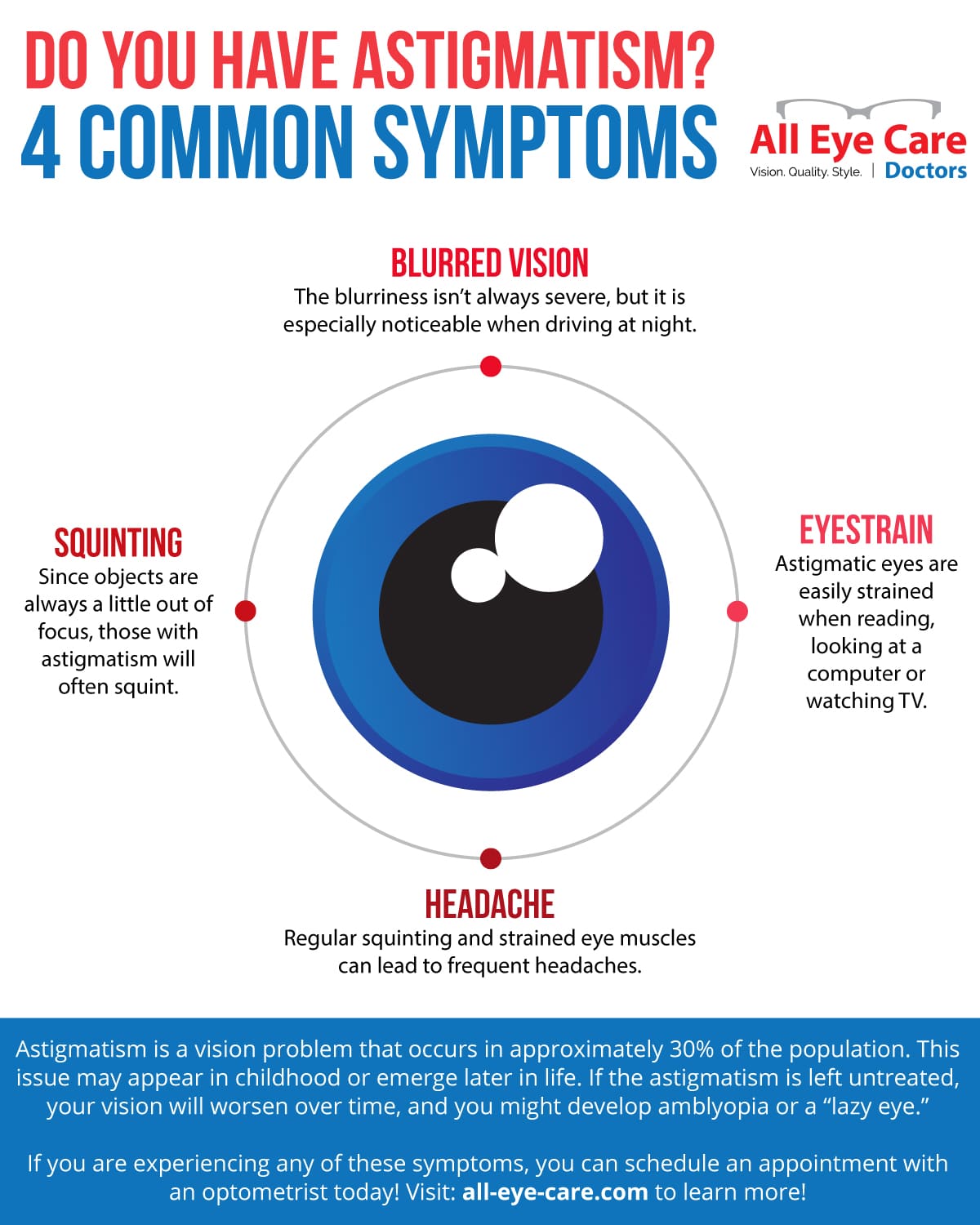
Furthermore, signs and symptoms like flashes of light or advances can indicate problems that require analysis. If you find yourself dealing with eye strain or pain, do not disregard those signs.
Frequent migraines or scrunching up your eyes can additionally suggest your eyes require an exam. Inevitably, trusting your impulses about your vision can lead to prompt treatment and much better eye health.
Do not think twice to look for assistance when something really feels off.
Eye Issues That Require an Ophthalmologist's Focus
Certain eye problems demand punctual attention from an eye doctor to avoid severe difficulties. If you experience sudden vision loss, it's important to seek assistance promptly.
Eye injuries, whether from injury or foreign objects, additionally require quick assessment to stay clear of lasting damages. Persistent eye discomfort, redness, or swelling could indicate infections or problems like uveitis that need prompt therapy.
If you see flashes of light, advances, or adjustments in your field of vision, these signs and symptoms might show retinal detachment or various other severe problems.
Additionally, if you have a household background of eye conditions like glaucoma or macular deterioration, normal examinations end up being vital.
Don't be reluctant to seek advice from an ophthalmologist when these conditions occur; early treatment can make a significant distinction.
Just how to Prepare for Your Eye Doctor Visit
Experiencing eye problems may lead you to look for an ophthalmologist, and understanding how to prepare for your visit can boost your experience.
Beginning by gathering your medical history, including any medications you take and previous eye problems. Document your symptoms, noting when they began and how they've changed. Bring a list of questions you intend to ask; this will certainly aid you bear in mind important points throughout your visit.
If you use glasses or get in touches with, bring them along. Get here a bit very early to complete any type of essential paperwork and allow time for any preliminary examinations.
Lastly, consider having a buddy or relative accompany you for support and to aid bear in mind the medical professional's guidance.
Conclusion
In summary, if you're experiencing sudden vision loss, relentless blurriness, or any type of concerning symptoms like eye strain or discomfort, do not hesitate to see an ophthalmologist. Normal examinations are vital, specifically if you have a household background of eye conditions. Taking aggressive steps now can protect your eye health and wellness and protect against significant concerns down the line. Bear in mind, your vision is valuable, and very early intervention is essential to keeping it for years to come.